
Credential custody
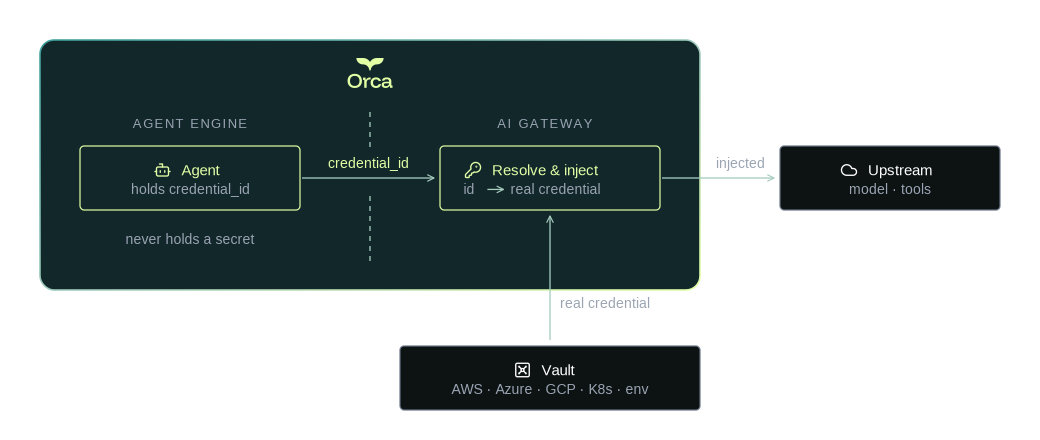
Real provider and tool credentials live in a vault (AWS, Azure, GCP, Kubernetes, or env). Agents get short-lived tokens — never the secret.
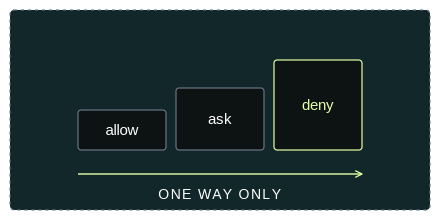
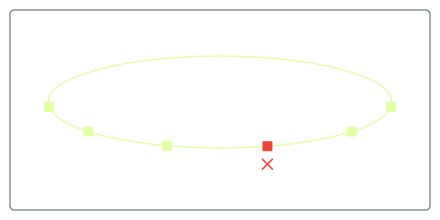
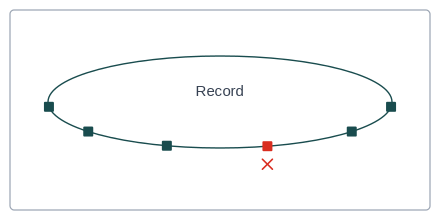
Guardrails compose across scopes and only ever tighten. Credentials resolve here, so the agent holds an id. Every request becomes a signed tape you can verify.
A session references a vault and the agent is handed an id. The gateway resolves it and injects the real credential on the way out.
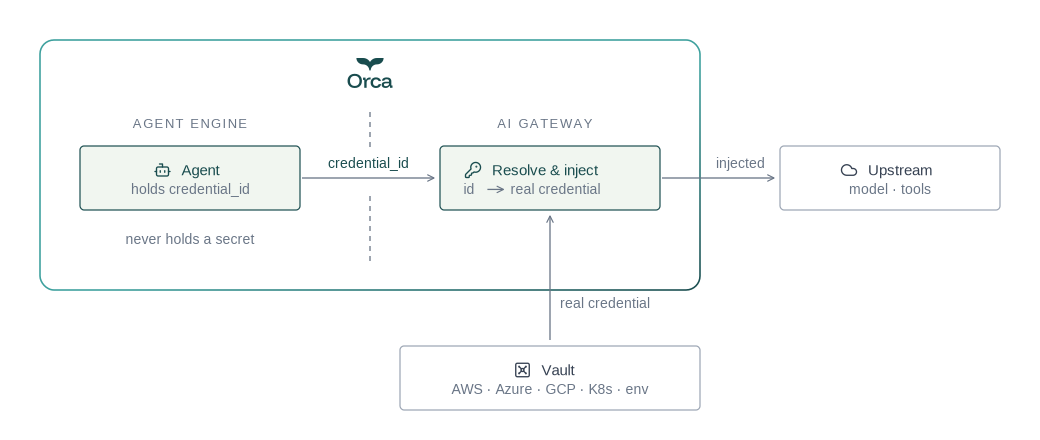
Real provider and tool credentials live in a vault (AWS, Azure, GCP, Kubernetes, or env). Agents get short-lived tokens — never the secret.

Every session is authorized with a TTL-bound token scoped to its workspace and agent. Revocation is instant; a leaked token expires on its own.

Tool calls route through the gateway with per-server allowlisting and per-call authorization — not a raw outbound connection from the agent.

Every model and tool request is written to a per-workspace audit stream — a complete, attributable record of AI spend and activity for finance and security.
# Credentials resolve here. The agent only ever sees the name.
vaults:
  - name: anthropic-key
    resolver: env
    env_var: "ANTHROPIC_API_KEY"

# A guardrail that fails closed: if it cannot answer, the call does not happen.
guardrails:
  - name: pii-redact
    kind: pii_regex
    required: true
    failure_mode: deny

# Budgets are enforced where the spend happens, not where the agent is written.
rate_limits:
  - match:
      scope:
        workspace_id: "ws_42"
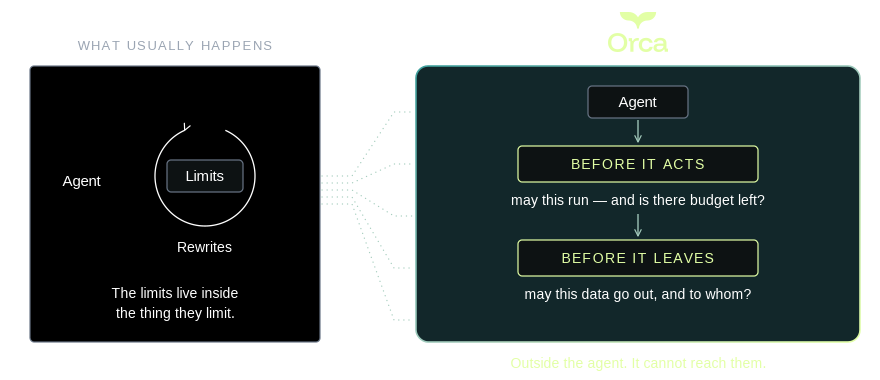
budget_usd_per_day: 50.0The limit lives in the gateway's configuration, not the agent's. Whoever writes the agent cannot relax it.
Per-tool permissions live in the agent's own configuration, so whoever writes the agent can relax them. Orca's checkpoints sit outside it.
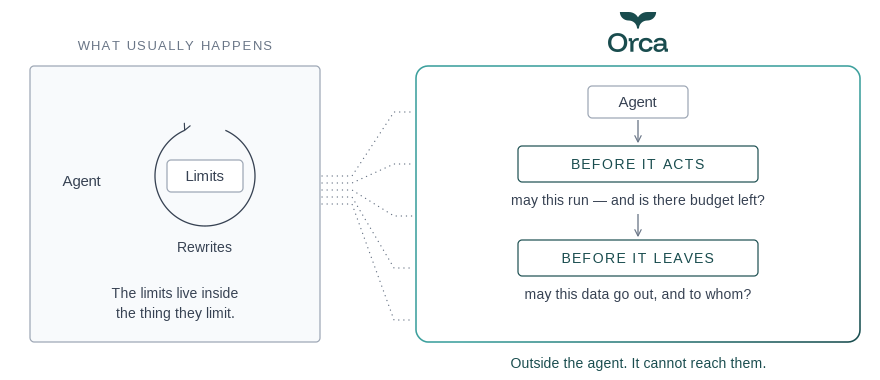
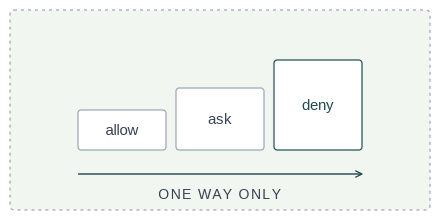
A limit holds when it lives outside the agent.
Everything below carries a status — available now, in preview, or on the roadmap. No roadmap item is dressed up as shipped.

Apply consistent policies across models and agents.

Switch or mix providers without touching agent code.
The declarative runtime for any harness and any model.
Session logs as OpenTelemetry traces, in your own stack.